

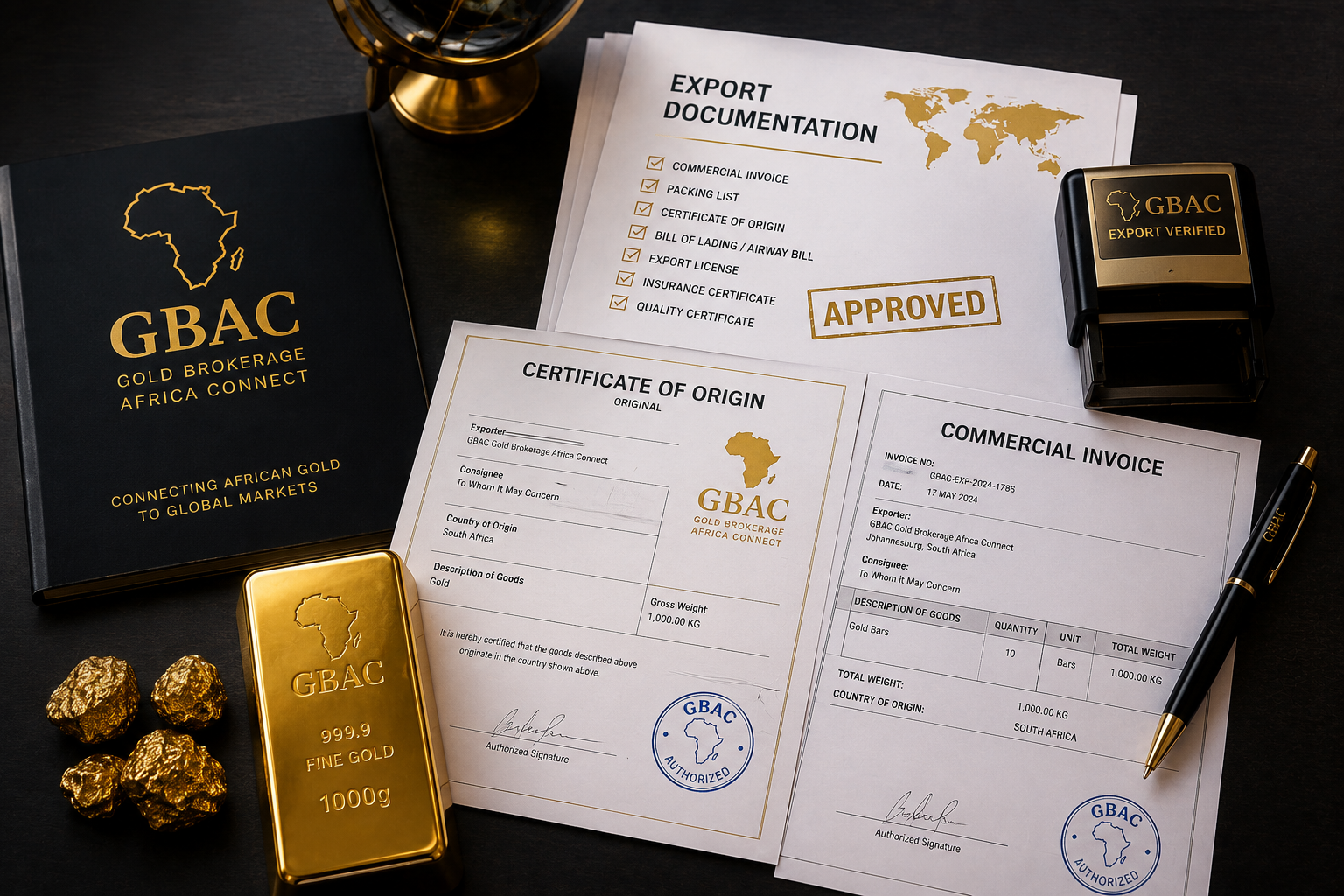
International gold transactions require trust, transparency, and clearly defined procedures. One of the most widely used international shipping terms in the precious metals industry is Cost, Insurance and Freight (CIF). Understanding how CIF transactions work helps buyers and suppliers establish clear responsibilities, manage risks, and facilitate smoother international trade.
What Is a CIF Gold Transaction?
CIF stands for Cost, Insurance and Freight, one of the internationally recognized Incoterms published by the International Chamber of Commerce (ICC). Under a CIF agreement, the seller arranges and pays for the transportation of the goods to the agreed destination port, including cargo insurance during transit. Once the shipment reaches the destination, responsibility for import clearance and local costs transfers to the buyer.
Responsibilities of the Seller
- Prepare the agreed quantity and quality of gold.
- Verify all export documentation.
- Arrange transportation to the destination port.
- Provide cargo insurance during transit.
- Supply the required shipping documents to the buyer.
- Coordinate with logistics providers and customs authorities where applicable.
Responsibilities of the Buyer
- Review all contractual documents carefully.
- Complete agreed payment obligations.
- Arrange import customs clearance.
- Pay any import duties or taxes where applicable.
- Receive the shipment at the agreed destination.
- Verify documentation before accepting delivery.
Key Documents Used in CIF Gold Transactions
International gold transactions require accurate documentation to ensure compliance, transparency, and efficient customs processing. While documentation requirements may vary depending on the countries involved and the terms agreed between the parties, professional transactions generally include a comprehensive set of supporting documents.
- Commercial Invoice
- Packing List Certificate of Origin (where applicable)
- Export Permit or Export License
- Insurance Certificate
- Bill of Lading or Air Waybill
- Refinery or Assay Report
- Customs Export Documentation
- Sales & Purchase Agreement (SPA)
Advantages of CIF Transactions
CIF transactions provide a structured framework that clearly defines the responsibilities of buyers and sellers during international shipments. By including transportation and insurance within the seller’s obligations, buyers gain greater confidence that the shipment is protected while in transit. This approach can simplify logistics and reduce uncertainty during cross-border trade.
- Clear allocation of responsibilities
- Cargo insurance during international transport
- Professional shipping arrangements
- Better visibility of transportation costs
- Increased confidence for international buyers
- Widely recognized under Incoterms
Important Considerations Before Entering a CIF Agreement
Every international gold transaction should be supported by thorough due diligence. Buyers should verify the identity and legitimacy of suppliers, review all contractual documentation carefully, confirm compliance with applicable regulations, and understand the agreed testing, inspection, and payment procedures before committing to a transaction.
- Verify the supplier’s business credentials.
- Review the Sales & Purchase Agreement (SPA) carefully.
- Confirm export documentation requirements.
- Understand inspection and assay procedures.
- Verify shipping and insurance arrangements.
- Seek professional legal or commercial advice when appropriate.
Frequently Asked Questions
Does CIF include insurance?
Yes. Under a CIF agreement, the seller is responsible for arranging cargo insurance for the shipment until it reaches the agreed destination port.
Who pays for freight under CIF?
The seller arranges and pays for the freight costs required to transport the goods to the agreed destination port.
Does CIF guarantee the quality of the gold?
No. CIF defines transportation, insurance, and freight responsibilities. Product quality, purity, inspection procedures, and payment terms should be addressed separately in the Sales & Purchase Agreement and supporting documentation.
Conclusion
Understanding CIF gold transactions helps buyers and suppliers establish clear expectations throughout the international trading process. By understanding the responsibilities of each party, preparing accurate documentation, and carrying out appropriate due diligence, businesses can reduce misunderstandings and support smoother cross-border transactions. At Gold Brokerage Africa Connect (GBAC), we are committed to sharing educational resources that help industry participants better understand international gold brokerage and trade procedures.
About Gold Brokerage Africa Connect (GBAC)
Gold Brokerage Africa Connect (GBAC) connects qualified international buyers with verified African gold suppliers. Our mission is to promote responsible sourcing, transparency, and professional brokerage services while providing educational resources that help businesses better understand the international gold trade.
Need Professional Brokerage Assistance?
Whether you are looking for verified suppliers, guidance on international gold transactions, or professional brokerage support, our experienced team is ready to assist.
Disclaimer
This article is intended for educational and informational purposes only. It does not constitute legal, financial, tax, or investment advice. International gold transactions are subject to applicable laws, regulations, and contractual agreements. Readers should seek appropriate professional advice before entering into any commercial transaction.
