
The United States is one of the world’s largest markets for gold, serving investors, jewelry manufacturers, refineries, bullion dealers, and industrial users. As demand for precious metals continues to grow, many businesses and qualified buyers explore opportunities to buy African gold in the USA through established international supply chains.
Africa is home to some of the world’s leading gold-producing countries and plays an important role in supplying global markets. Purchasing African gold requires careful planning, supplier verification, documentation, and compliance with both the exporting country’s requirements and U.S. import regulations.
This guide explains the process of sourcing African gold for buyers in the United States, the types of gold available, common documentation, shipping considerations, and best practices for conducting international transactions.
Why Do U.S. Buyers Source Gold from Africa?
Many U.S. businesses look to Africa because it is one of the world’s most significant gold-producing regions. African mining operations contribute substantially to the global supply of gold used in refining, jewelry manufacturing, investment products, and industrial applications.
Businesses may source African gold for:
- Precious metal refining
- Jewelry manufacturing
- Investment products
- Industrial production
- Long-term commercial supply agreements
Working with reputable suppliers and maintaining proper documentation helps support transparent international trade.
Types of African Gold Available
International buyers may encounter several forms of gold, including:
Gold Dore Bars
Semi-refined bars produced at mining operations before final refining.
Refined Gold Bars
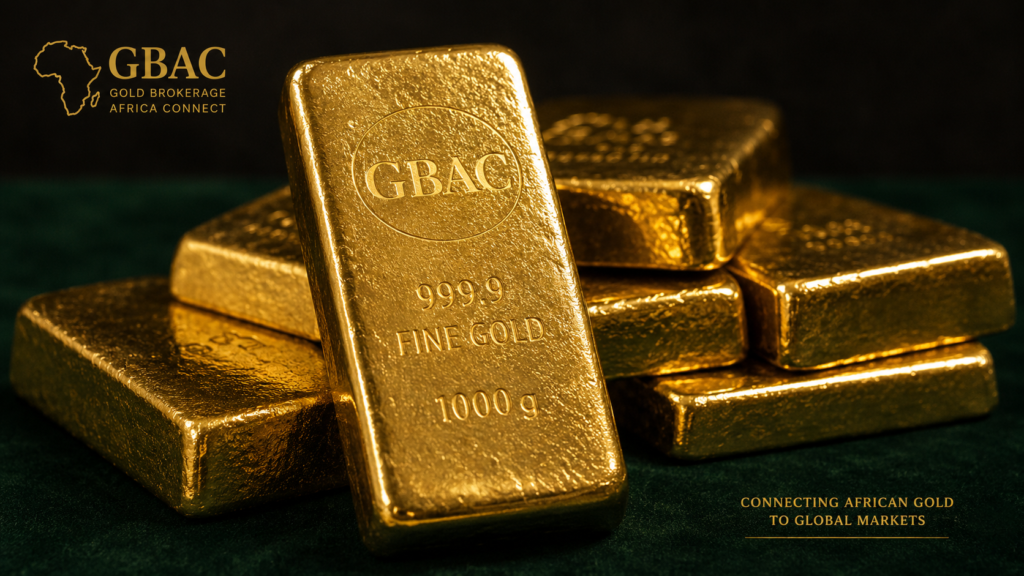
High-purity gold bars suitable for investment, manufacturing, and commercial use.
Gold Nuggets
Naturally occurring pieces of gold recovered during mining activities.
Gold Dust
Fine particles of natural gold collected during placer or alluvial mining operations.

Understanding the Import Process
Importing gold into the United States requires compliance with applicable U.S. laws, customs requirements, and any regulations that apply to the specific transaction.
Commercial buyers typically work with experienced customs brokers, logistics providers, and legal advisers to ensure shipments meet all relevant requirements.
Depending on the transaction, buyers may need documentation such as:
- Commercial Invoice
- Packing List
- Assay Report
- Air Waybill
- Insurance Documentation
- Export Documents from the country of origin
- Customs documentation required for import
Requirements vary depending on the shipment and applicable regulations.
Choosing a Reliable Supplier
Selecting a professional supplier is one of the most important steps in any international transaction.
Before entering into a commercial agreement, buyers should:
- Verify business registration.
- Review commercial documentation.
- Understand the contract terms.
- Confirm export capabilities.
- Request product specifications.
- Carry out appropriate due diligence.
Building relationships with reputable suppliers supports long-term business success.

Shipping and Logistics
International gold shipments require secure transportation, appropriate insurance where applicable, and compliance with customs procedures.
Professional logistics planning helps reduce delays and supports efficient delivery from the exporting country to the United States.
Depending on the commercial agreement, responsibilities for transportation, insurance, and customs clearance should be clearly defined.
Benefits of Working with GBAC
Gold Brokerage Africa Connect (GBAC) works with a network of trusted suppliers across Africa to facilitate professional gold sourcing for qualified international buyers.
Our focus includes:
- Professional sourcing support
- Supplier verification assistance
- Export coordination
- Commercial documentation guidance
- Transparent communication
- Long-term business relationships
Frequently Asked Questions
Can U.S. buyers legally import African gold?
Importing gold into the United States is subject to applicable U.S. laws, customs requirements, and regulations. Buyers should ensure they understand and comply with all relevant legal obligations.
What types of African gold are available?
Common products include gold dore bars, refined gold bars, gold nuggets, and gold dust.
What documentation is commonly used?
Depending on the transaction, documentation may include commercial invoices, packing lists, assay reports, transport documents, and other records required by the exporting and importing countries.
Why is supplier verification important?
Due diligence helps buyers evaluate suppliers, review documentation, and support transparent commercial relationships.
Conclusion
Buying African gold in the USA offers opportunities for qualified commercial buyers when transactions are conducted professionally and in compliance with applicable laws and regulations. Understanding product types, documentation, logistics, and supplier verification helps create a stronger foundation for successful international trade.
Gold Brokerage Africa Connect (GBAC) is committed to supporting international buyers through professional sourcing services, transparent communication, and long-term partnerships with trusted suppliers across Africa.